Imagine waking up every day feeling an overwhelming sense of emptiness, where even simple tasks like getting out of bed seem insurmountable. Over 47 million American adults are currently experiencing or being treated for depression, according to recent Gallup data, marking a record high in 2025. This pervasive mental health condition doesn’t just affect mood—it can disrupt every aspect of life, from work performance to personal relationships.
Many individuals struggle silently with depression, often delaying help due to stigma, lack of awareness about symptoms, or uncertainty about when to seek help for depression. This hesitation can lead to worsened symptoms, increased health risks, and a diminished quality of life. Without intervention, what starts as temporary sadness can evolve into a chronic issue, exacerbating physical and emotional tolls.
In this article, you’ll learn how to recognize the signs of depression, understand when it’s time to seek help for depression, explore effective treatment options, and discover practical tips for managing it. We’ll draw from authoritative sources like the National Institute of Mental Health (NIMH) and recent studies to provide medically accurate, evidence-based insights. Whether you’re concerned for yourself or a loved one, this guide empowers you to take informed steps toward better mental health.
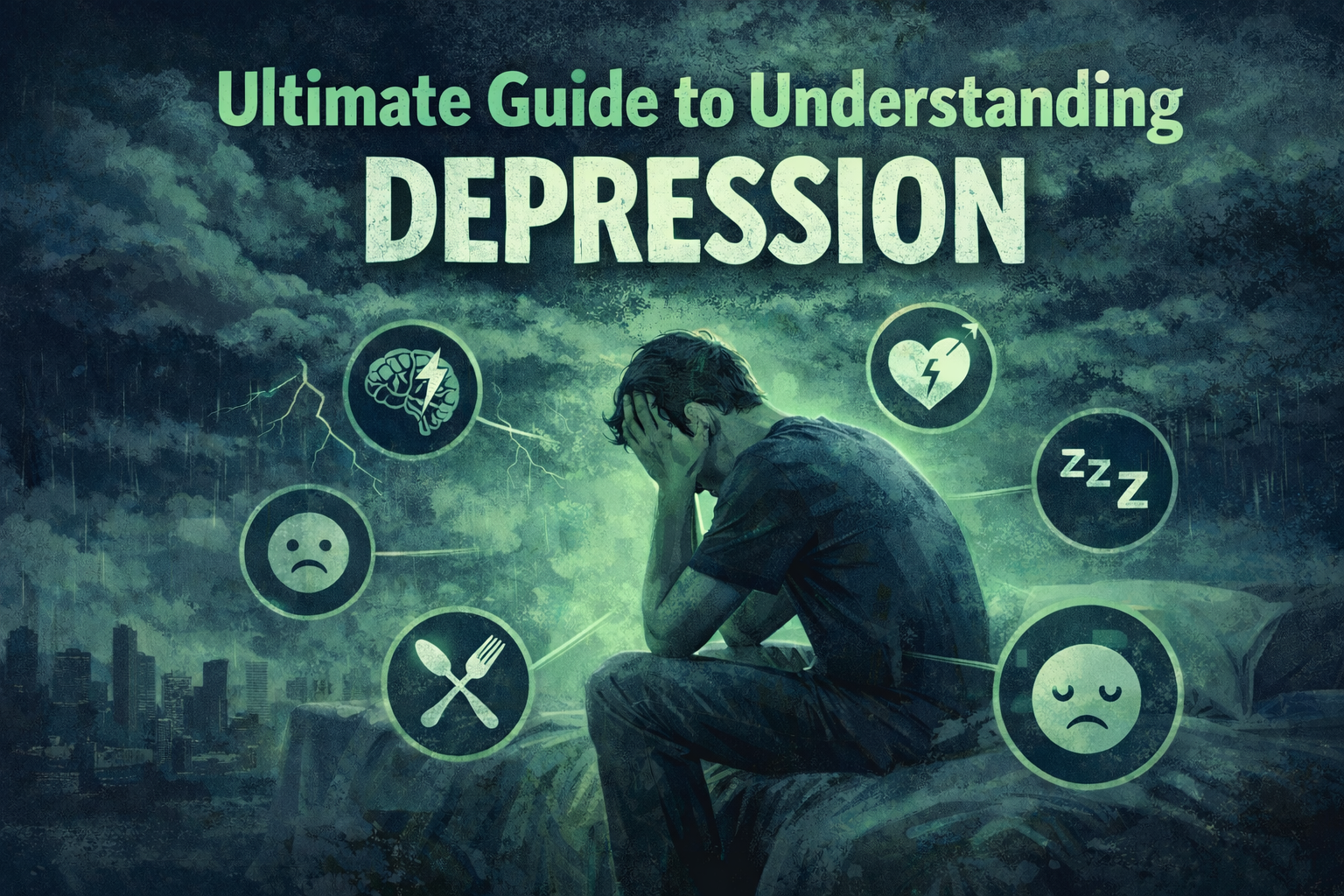
For a broader foundation, see our guide on Signs of Mental Health Issues: Ultimate Guide to Understanding Depression
What is Depression?
Depression is more than just feeling sad—it’s a serious mental health disorder that affects how you think, feel, and handle daily activities. Knowing when to seek help for depression starts with understanding what it truly is. This section explores its definitions, types, and how it stands apart from everyday emotions.
Common Types of Depression Disorders
Major depressive disorder (MDD), often called clinical depression, involves a persistent low mood and loss of interest in activities for at least two weeks, interfering with daily life. Persistent depressive disorder (dysthymia) is a chronic, milder form that lasts for years, making it harder to recognize but equally impactful.
Other variations include seasonal affective disorder (SAD), which occurs during shorter daylight months, and postpartum depression, affecting new mothers due to hormonal shifts and life changes. Research suggests these types share common brain chemistry imbalances, but triggers vary.
How Depression Differs from Normal Sadness
Normal sadness is a temporary response to life’s challenges, like losing a job or a loved one, and typically resolves with time. In contrast, depression persists, often without an obvious cause, and impairs functioning in work, relationships, or self-care.
Depression involves a cluster of symptoms, not just emotional lows, such as changes in sleep, appetite, or energy levels. If these persist for weeks, it may signal the need to seek help for depression.
Prevalence of Depression in the USA
Depression affects about 18.3% of U.S. adults in 2025, equating to roughly 47.8 million people currently experiencing or treated for it, per Gallup surveys. Rates are higher among women at around 10.3% for major depressive episodes, compared to 6.2% in men, according to NIMH data. The highest prevalence is among young adults aged 18-25 at 18.6%, with rates rising sharply in recent years.
These statistics highlight why early recognition is crucial—depression is common but treatable.
Research Shows: A 2025 Gallup analysis found depression rates have doubled among adults under 30 since 2017, reaching 26.7%, underscoring the growing impact on younger generations.
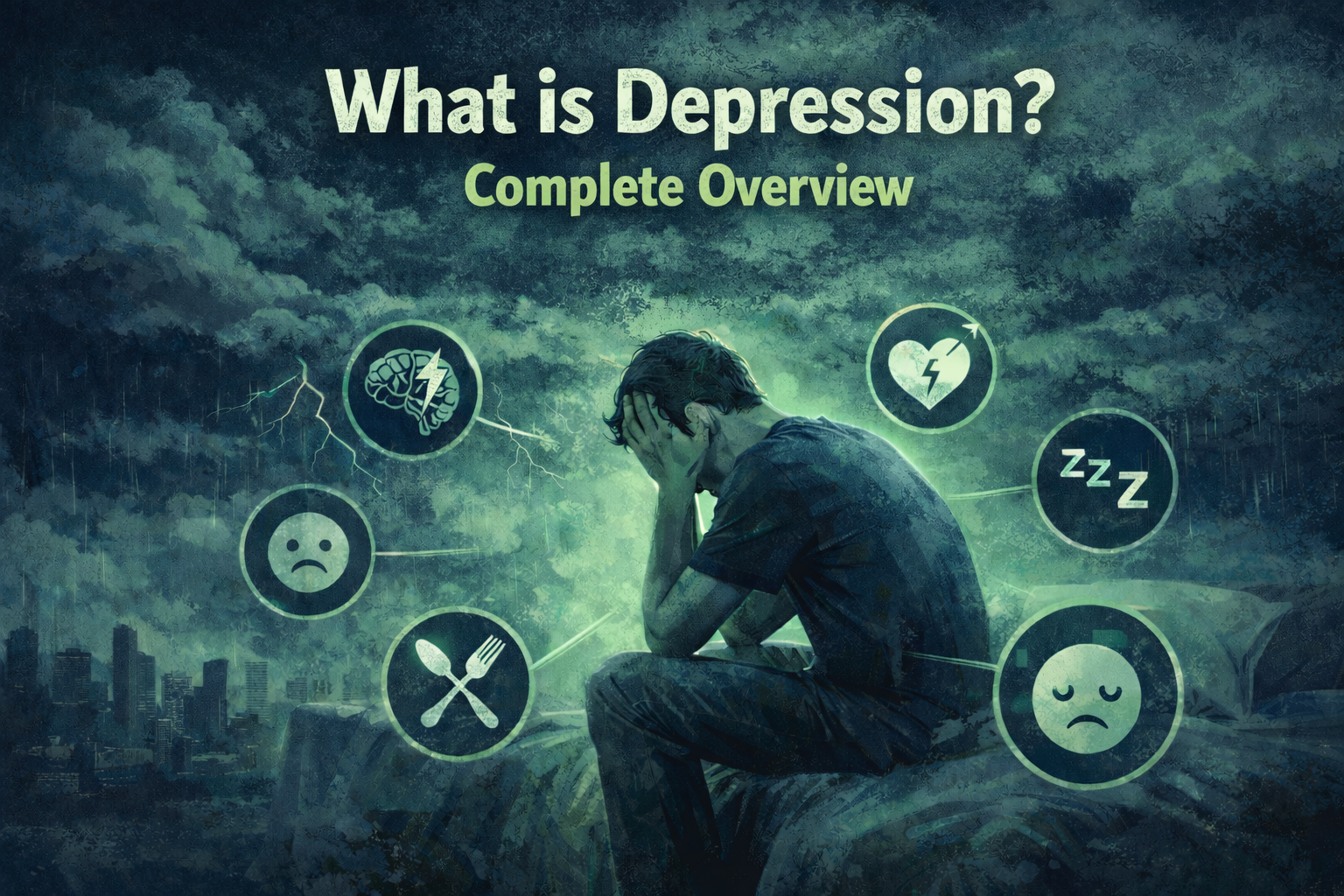
For related reading, see our guide on Signs of Mental Health Issues: What is Depression? Complete Overview
Why Seek Help for Depression Early?
Seeking help for depression early can transform lives, preventing minor symptoms from escalating into severe issues. Delaying treatment often worsens the condition, but timely intervention offers hope and recovery. Let’s examine the impacts and benefits.
Impact on Daily Life and Relationships
Depression can interfere with work, making concentration and productivity challenging, leading to absenteeism or job loss. Social interactions suffer as individuals withdraw, straining friendships and family bonds.
This isolation creates a vicious cycle, deepening feelings of loneliness. Research suggests untreated depression may contribute to relationship breakdowns in up to 50% of affected couples.
Risks of Untreated Depression
Untreated depression heightens risks of chronic health problems, such as heart disease and diabetes, due to inflammation and poor self-care. It also increases the likelihood of substance abuse as people self-medicate.
Globally, over 700,000 suicides are linked to depression annually, with men at higher risk despite lower diagnosis rates. Brain changes, like hippocampal atrophy, can occur if left unaddressed.
Benefits of Timely Intervention
Early treatment improves recovery rates, with studies showing only about 35% of those with severe depression currently seek help. It reduces symptom severity and lowers recurrence risks.
Many experience significant relief within weeks, regaining joy and functionality. Seeking help for depression early empowers better long-term outcomes.
Important: If depression leads to suicidal thoughts, seek immediate help—call 988 right away, as untreated risks can be life-threatening.
For a broader foundation, see our guide on Signs of Mental Health Issues: Depression Screening Tests
What Are the Signs and Symptoms of Depression?
Recognizing depression’s signs is key to knowing when to seek help for depression. Symptoms vary by age and gender, but they often cluster and persist. This section breaks them down.
Signs of Depression in Adults
Persistent sadness, hopelessness, or emptiness are hallmark signs, often accompanied by irritability or anxiety. Adults may feel worthless or guilty without reason.
Loss of interest in hobbies, known as anhedonia, is common, making life feel joyless.
Symptoms of Depression in Teenagers
Teenagers might show irritability rather than sadness, withdrawing from friends and family. Changes in school performance, like dropping grades, signal distress.
Risky behaviors, such as substance use or recklessness, can emerge as coping mechanisms. Early intervention is vital, as rates peak in this group.
Depression Symptoms in Women and Men
Women often experience more emotional symptoms, like excessive guilt, overeating, or crying spells. Hormonal factors may amplify these.
Men tend to display anger, recklessness, or physical complaints like headaches. This gender difference can delay diagnosis in men.
Common Symptoms of Clinical Depression
Sleep disturbances—insomnia or oversleeping—are frequent, alongside fatigue and concentration issues. Thoughts of death or suicide require urgent attention.
Appetite changes leading to weight gain or loss, and unexplained aches, round out the list.
Quick Summary: Key symptoms include persistent low mood, loss of interest, sleep changes, fatigue, and concentration problems—if five or more last two weeks, consult a professional.
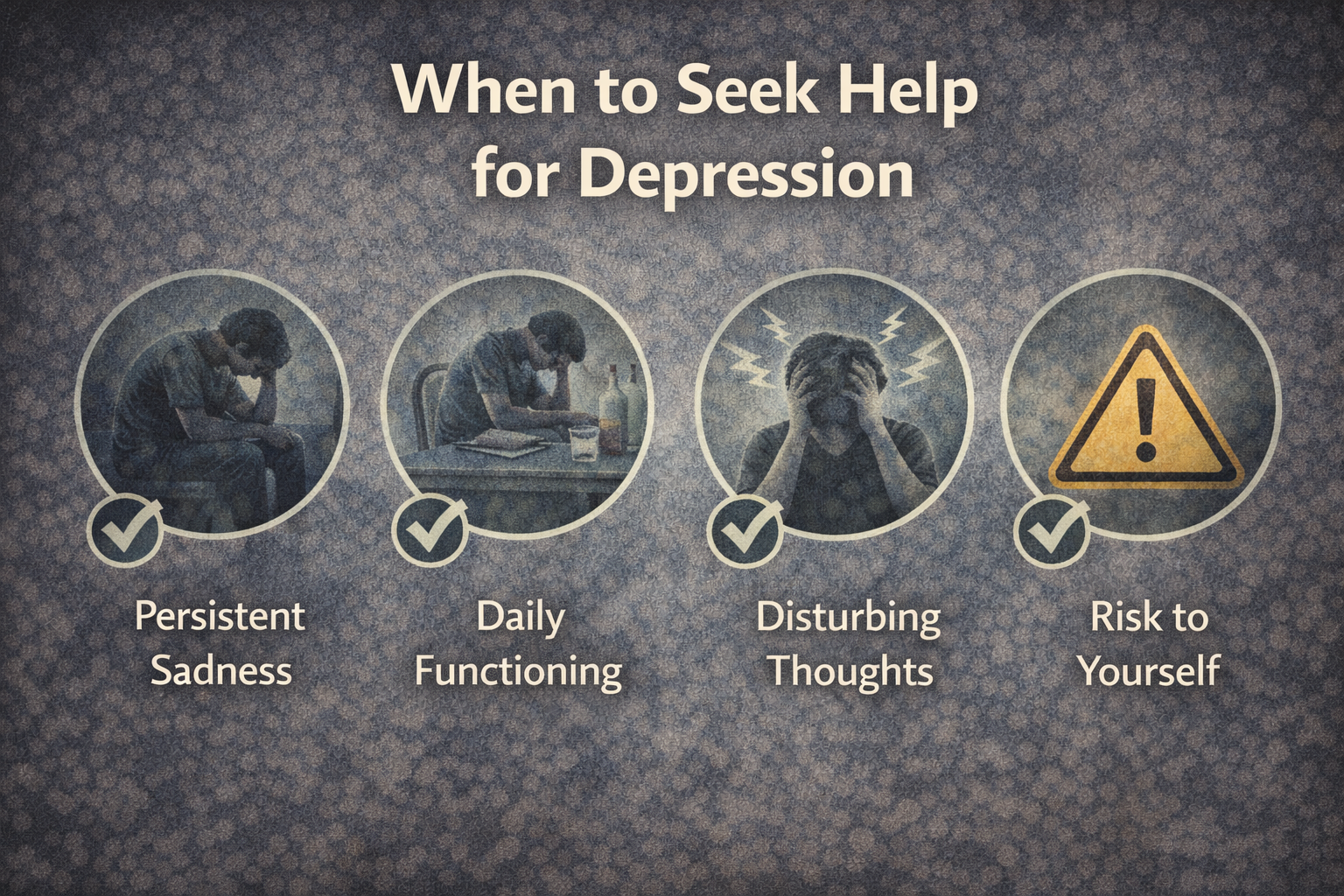
When Should You Seek Help for Depression?
Deciding when to seek help for depression can be challenging, but certain thresholds indicate it’s time. This step-by-step guide helps identify those moments.
Early Signs of Depression Disorder
Subtle changes, like ongoing fatigue or appetite shifts lasting weeks, may signal early depression. You might notice reduced energy or minor mood dips.
Monitoring these can prevent escalation—journaling helps track patterns.
When Depression Becomes Serious
Symptoms intensify when they affect work performance or personal safety, such as driving recklessly due to distraction. Suicidal ideation marks a critical point.
If daily functioning suffers, professional evaluation is essential.
Signs You Need Depression Treatment
Interference with daily life, like missing obligations or isolating, means it’s time to act. Immediate help is needed for thoughts of self-harm.
Research suggests early treatment halves recurrence risks.
If you’re in crisis, contact the 988 hotline for support.
How to Recognize Depression Early
Early recognition can make seeking help for depression more effective. Use tools and awareness to spot it in various groups.
Depression Symptoms Checklist
A self-assessment might include questions like: Have you felt hopeless for two weeks? Do you lack energy daily?
If yes to five or more DSM-5 criteria, seek evaluation. Online quizzes from reputable sources can guide, but aren’t diagnostic.
How to Recognize Depression in Elderly People
In older adults, depression may mimic dementia with memory issues or physical complaints masking emotions. Withdrawal from hobbies is a red flag.
Screening is crucial, as treatable with therapy or meds.
Depression Symptoms During Pregnancy
Hormonal changes can amplify mood swings, anxiety, or persistent sadness. Postpartum risks increase if untreated.
Consult a doctor early for safe interventions.
Pro Tip: Track symptoms weekly in a journal to spot patterns early—many overlook gradual changes until they worsen.
How to Seek Help for Depression
Taking the first step to seek help for depression is empowering. Follow this guide for practical actions.
- Acknowledge your symptoms and decide to act.
- Reach out to a trusted person or professional.
- Schedule an appointment.
First Steps: Talking to a Primary Care Doctor
Start with your primary care physician—they can rule out physical causes and refer specialists. Describe symptoms honestly, including duration and impact.
They may prescribe initial treatment or screenings.
Finding a Mental Health Professional
Use directories from the American Psychological Association (APA) or NIMH to find therapists. Consider types like psychologists or psychiatrists.
Online platforms can connect you virtually.
Emergency Resources and Hotlines
For immediate needs, call 988 for crisis support. Visit an ER for acute risks.
Treatment Options Available
Effective treatments exist, and combining them often yields best results. Compare options to find what suits you.
Psychotherapy Approaches
Cognitive behavioral therapy (CBT) helps change negative thought patterns, with studies showing 60-70% efficacy in reducing symptoms. Interpersonal therapy focuses on relationships.
Both are evidence-based and non-invasive.
Medications for Depression
Selective serotonin reuptake inhibitors (SSRIs) like sertraline balance brain chemicals. Discuss side effects, like nausea, with your doctor.
They may take weeks to work; never stop abruptly.
Lifestyle and Alternative Treatments
Exercise, a balanced diet, and mindfulness can complement treatments, reducing symptoms by up to 40% in some studies. Acupuncture or yoga offer additional relief.
Best Practices and Expert Tips
Implementing best practices enhances treatment. These tips from experts promote recovery.
Self-Care Strategies
Engage in regular exercise, aim for 7-9 hours of sleep, and eat nutrient-rich foods. These basics support brain health.
Building a Support Network
Connect with friends or join support groups—sharing reduces isolation.
Monitoring Progress
Track symptoms in a journal and discuss adjustments with your provider.
Sign up for our mental health newsletter for ongoing tips.
Scientific Evidence & Research
Evidence backs depression treatments. This overview highlights key findings.
Clinical Studies
NIMH research shows CBT reduces recurrence, with 60-70% efficacy. A 2025 meta-analysis confirmed early treatment benefits.
Expert Opinions
Experts from the AMA emphasize routine screening. As one psychiatrist notes, “Diagnosis through clinical interviews ensures tailored management.”
Statistical Data
In 2021, 8.3% of U.S. adults had a major depressive episode, higher in women (10.3%) and young adults. Rates have risen, with 18.3% affected in 2025.
National Institute of Mental Health (NIMH)
Common Mistakes to Avoid
Avoiding pitfalls improves outcomes when seeking help for depression.
Mistake #1: Ignoring Early Symptoms
This allows the condition to worsen, increasing complications like chronic pain. Better: Monitor and consult early.
Mistake #2: Self-Medicating with Alcohol or Drugs
It exacerbates symptoms and risks dependency. Seek prescribed treatments instead.
Mistake #3: Isolating from Support
This deepens loneliness. Reach out to loved ones or groups for connection.
Expert Insight: “Ignoring symptoms is like letting a small fire grow—early action prevents bigger problems,” says a clinical psychologist.
Frequently Asked Questions (FAQs)
What are symptoms of major depression disorder?
Depression involves persistent sadness and loss of interest for at least two weeks, plus symptoms like fatigue, sleep changes, and concentration issues. If interfering with life, seek help promptly. Details include emotional, physical, and behavioral signs varying by age and gender. Consult a professional for diagnosis.
When does depression affect daily life?
When symptoms persist and impair work, relationships, or self-care, it’s time to seek professional help. Early intervention prevents escalation; consult a doctor if lasting over two weeks. Untreated, it can lead to health complications like heart disease.
What are depression symptoms in men?
Men may show anger, irritability, or risk-taking rather than sadness. Physical symptoms like headaches or fatigue are common. Recognizing these aids in seeking timely treatment. Gender differences can mask depression, so awareness is key.
How to recognize depression early?
Look for early signs like ongoing low energy or appetite changes. Use a symptoms checklist; if five or more persist for two weeks, consult a healthcare provider for evaluation. Early detection improves outcomes significantly.
What are common symptoms of clinical depression?
Include hopelessness, weight changes, insomnia, and suicidal thoughts. Affects 8.3% of U.S. adults; professional diagnosis is key for effective management. Symptoms cluster and persist, differing from temporary sadness.
What are depression symptoms in elderly people?
May present as memory problems or physical complaints. Social withdrawal or disinterest in hobbies signal need for screening; treatable with therapy or meds. Often mistaken for aging, but intervention helps.
Conclusion
Recognizing when to seek help for depression opens doors to recovery, offering benefits like restored energy, stronger relationships, and reduced health risks. Early intervention not only alleviates symptoms but empowers you to reclaim joy and functionality in daily life. With evidence-based treatments, many achieve lasting improvements, transforming struggles into strengths.
The primary value here is knowledge—understanding signs and options equips you to act confidently. Take one clear next step: Schedule a consultation with a mental health professional today.
For personalized guidance, consider a professional consultation. Sign up for our email opt-in to receive weekly mental health tips and resources.
Remember, seeking help for depression is a courageous choice. You’re not alone, and with support, brighter days are possible. Embrace your journey toward wellness.
Medical Disclaimer
This article is for informational purposes only and not a substitute for professional medical advice. The information provided should not be used for diagnosing or treating a health problem or disease. Always consult with a qualified healthcare professional before making any changes to your mental health treatment, starting new medications, or trying new supplements.
If you’re experiencing a mental health crisis, please call the 988 Suicide & Crisis Lifeline or visit your nearest emergency room. For non-emergency support, contact the Substance Abuse and Mental Health Services Administration (SAMHSA) National Helpline at 1-800-662-4357.
The content in this article is based on current research and expert consensus as of 2026, but medical knowledge evolves. Always verify information with your healthcare provider.