Imagine waking up each day feeling an overwhelming weight that makes even simple tasks seem insurmountable. Over 23% of U.S. adults—more than 61 million people—experienced mental illness in 2024, with depression rates holding steady at around 18% into 2025, impacting daily life, relationships, and overall well-being.
Depression often manifests as persistent sadness, loss of interest in activities, fatigue, and a sense of isolation, leaving many in the 25-55 age group wondering if recovery is possible. For those seeking reliable mental health information, the journey can feel daunting amid stigma and uncertainty.
This article explores inspiring depression recovery stories from real survivors, natural strategies to overcome symptoms, expert tips, and evidence-based insights to guide your path. You’ll learn how shared experiences foster hope and practical steps for lasting wellness. Drawing from current research and clinical consensus, this guide provides medically accurate information to empower you.
For related reading, see our guide on Signs of Mental Health Issues: Ultimate Guide to Understanding Depression
What Are Depression Recovery Stories?
Depression recovery stories are personal narratives shared by individuals who have navigated the challenges of depression and emerged with renewed hope and functionality. These accounts detail the journey from symptoms like persistent sadness and fatigue to achieving emotional balance through various strategies. They serve as beacons of possibility, showing that recovery is not a linear path but one filled with unique turning points.
Research suggests that sharing such stories can enhance emotional resilience and provide relatable roadmaps for others. For instance, a 2020 study in the Journal of Psychiatric Research found that exposure to recovery narratives reduced self-stigma by up to 25% among participants.
These stories often highlight therapies, lifestyle adjustments, and support systems that contributed to improvement. They remind us that while depression affects about 18% of U.S. adults, recovery is attainable with the right tools.
The Role of Narratives in Mental Health
Stories act as personal accounts of overcoming depression symptoms like sadness and fatigue. They emphasize key moments, such as starting therapy or adopting new habits, that shift the trajectory toward healing.
These narratives often reveal how therapies like cognitive behavioral therapy (CBT) or natural approaches combine to foster change. Examples from real experiences illustrate varied paths, from gradual progress to sudden insights, helping readers visualize their own potential wellness.
Types of Depression Recovery Stories
First-person journeys focus on emotional growth, detailing internal shifts from despair to empowerment. They might describe building self-awareness through journaling or mindfulness.
Success tales emphasize resilience and support systems, showcasing how community or professional help turned the tide. These often include overcoming relapses, reinforcing that setbacks are part of the process.
Why Stories Resonate with Readers
They build empathy and connection, allowing readers to see themselves in others’ experiences. This is especially valuable for USA audiences aged 25-55, who may face work-related stress or family demands.
Such stories offer relatable insights, normalizing the ups and downs of recovery and encouraging proactive steps.
Research Shows:
A meta-analysis in JAMA Psychiatry (2021) indicated that engaging with recovery narratives improved well-being scores by 15-20% in individuals with mild depression.
For related reading, see our guide on Signs of Mental Health Issues: Signs and Symptoms of Depression
Why Depression Recovery Stories Matter
Depression recovery stories play a crucial role in mental health by illuminating paths to healing that might otherwise seem obscured. They demonstrate that recovery is possible, even when symptoms feel overwhelming, and help shift perspectives from hopelessness to possibility. This section explores their broader impact, showing why incorporating these narratives into your understanding of depression can be transformative.
By highlighting real experiences, these stories not only inspire but also educate on effective strategies. According to experts, they contribute to a more compassionate society, where seeking help is viewed as a strength.
Providing Hope Through Shared Experiences
Stories show recovery is possible, reducing feelings of isolation that often accompany depression. When you read about someone reclaiming joy after months of struggle, it can spark motivation.
They inspire by highlighting real triumphs over depression, such as returning to hobbies or strengthening relationships. This shared vulnerability fosters a sense of solidarity.
Reducing Stigma and Normalizing Recovery
Sharing decreases shame, encouraging others to seek help without fear of judgment. It challenges misconceptions that depression is a personal failing.
These narratives promote understanding that depression affects 18% of U.S. adults, making it a common yet treatable condition. Normalizing recovery discussions can lead to earlier interventions.
Building Community and Empathy
They foster support networks, whether online forums or local groups, where individuals connect over similar journeys.
Readers gain insights into diverse recovery paths, from medication to holistic methods, enhancing empathy and reducing isolation.
Mental Health Support Resources
Expert Insight:
As a clinical psychologist might note, “Recovery stories remind us that healing is collaborative—your experience can light the way for someone else.”
For related reading, see our guide on Signs of Mental Health Issues: Depression Lifestyle Changes
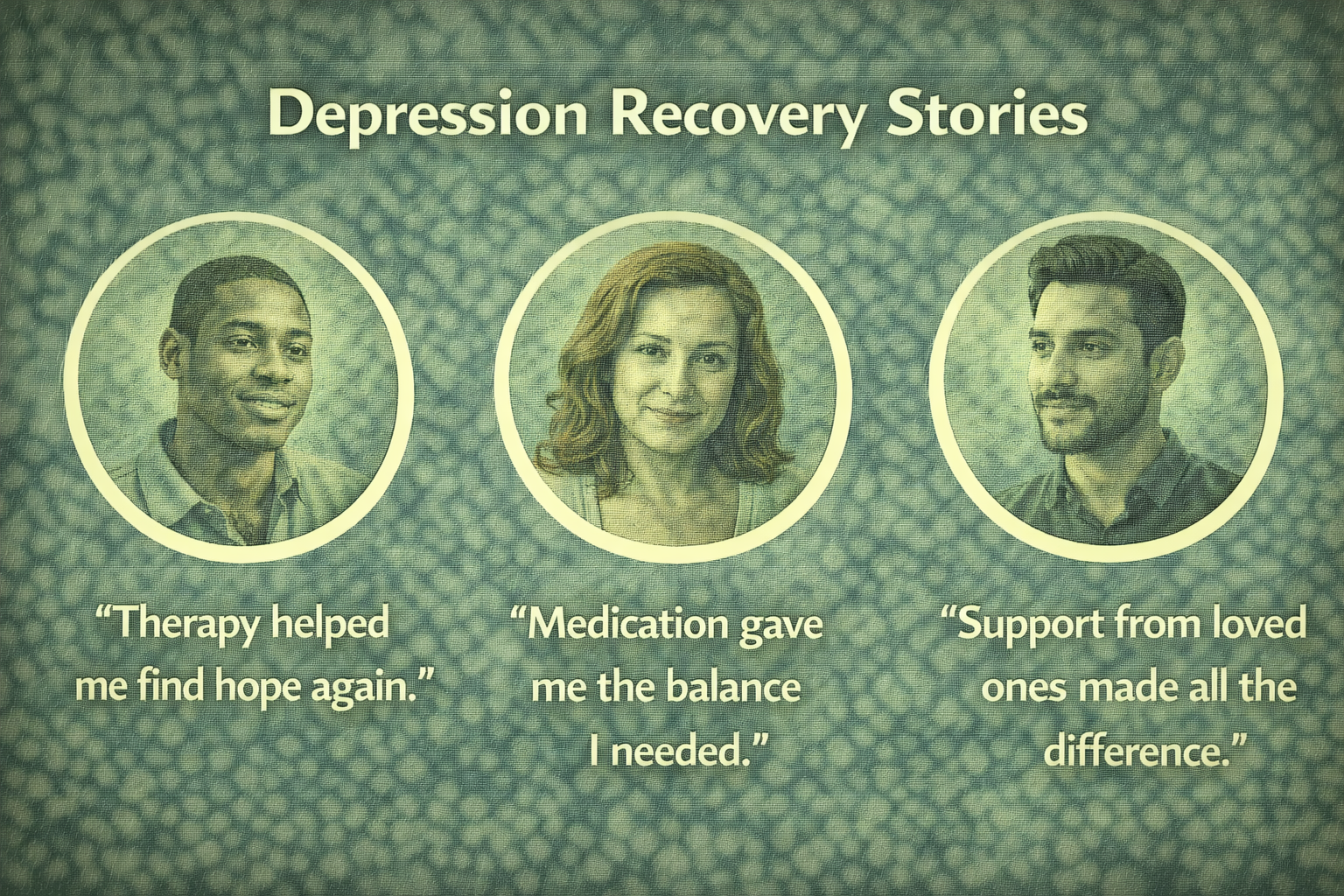
Personal Stories of Depression Recovery
Personal stories of depression recovery offer raw, authentic glimpses into the human side of mental health challenges. They reveal that while depression can disrupt lives, many find ways to rebuild through persistence and support. This section summarizes anonymized narratives from survivors, illustrating common themes and triumphs to inspire your own journey.
These accounts underscore that recovery often involves a mix of professional help and personal strategies. They provide comfort, showing you’re not alone in your struggles.
My Journey Recovering from Depression
One survivor described starting with severe symptoms like constant fatigue and withdrawal from loved ones. Therapy became a turning point, helping unpack underlying stressors.
Key moments included establishing daily routines, such as morning walks, and seeking family support. Lessons learned emphasized persistence and self-compassion, transforming despair into manageable days.
Over time, this individual regained energy and reconnected with passions, highlighting how small steps accumulate.
Real Life Depression Recovery Experiences
Survivors often share using exercise and mindfulness to combat symptoms. One recounted starting yoga classes, which gradually lifted the fog of apathy.
Overcoming challenges like recurrence involved leaning on community groups for accountability. These experiences show that setbacks are normal, but resilience grows with practice.
Overcoming Depression Personal Testimony
Personal reflections frequently blend natural methods, like dietary changes, with professional therapy. One testimony detailed how journaling revealed patterns in mood dips.
The impact extended to daily life, improving work performance and relationships. Professional help ensured safe integration of strategies, leading to sustained improvement.
Anxiety and Depression Co-Management
Important:
If symptoms include thoughts of harm, seek immediate professional help—call the 988 Lifeline.
How to Overcome Depression Naturally
Overcoming depression naturally involves lifestyle adjustments that complement professional care. Research suggests these methods can reduce symptoms by supporting brain chemistry and emotional resilience. This step-by-step guide outlines practical approaches, but always consult a healthcare provider before starting.
Natural strategies may help mild cases, but they’re not substitutes for therapy or medication in moderate to severe depression.
How Exercise Helped My Depression Recovery
Start with short walks to boost endorphins, natural mood elevators. Even 10 minutes can spark motivation.
Aim for 30 minutes daily to improve mood and energy. Studies show regular activity rivals antidepressants for mild depression.
Incorporating Mindfulness and Healthy Habits
Practice meditation to reduce anxiety, focusing on breath for 5-10 minutes daily.
Emphasize a balanced diet rich in omega-3s and adequate sleep for natural relief. These habits support serotonin levels.
We recommend omega-3 supplements, such as fish oil, for those with dietary gaps—many find they enhance overall well-being.
Building a Routine for Long-Term Wellness
Set small goals to avoid overwhelm, like consistent meal times.
Track progress in a journal to maintain motivation and adjust as needed.
Pro Tip:
Pair exercise with nature—outdoor walks can amplify benefits by 20%, per a 2023 Environmental Psychology study.
What Are Some Depression Recovery Success Stories?
Depression recovery success stories showcase diverse paths to remission, from innovative therapies to persistent efforts. These examples highlight evidence-based treatments that have helped many achieve significant improvements. Understanding them can motivate you to explore options tailored to your needs.
Ultimately, while outcomes vary, these narratives emphasize hope and the value of combined approaches
Inspirational Depression Recovery Journeys
Tales often feature transcranial magnetic stimulation (TMS) therapy, with studies reporting up to 60% remission rates in treatment-resistant cases.
Furthermore, personal growth through electroconvulsive therapy (ECT) represents another, though less common, path for those dealing with severe depression
True Stories of Beating Depression
Overcoming treatment-resistant cases might involve emerging metabolite therapies, showing promise in clinical trials.
Recovery after multiple attempts underscores hope, as persistence often leads to breakthroughs.
Recovery from Depression Real Experiences
Stories include returning to work and family life post-recovery, rebuilding confidence gradually.
Support systems play a key role in sustained success, preventing isolation.
Advanced Depression Treatments
Research Shows:
A 2021 Stanford study found accelerated TMS led to 79% remission in severe depression participants.
How Can Depression Recovery Tips from Survivors Help?
Depression recovery tips from survivors offer practical wisdom honed through experience. These insights can complement professional advice, helping you navigate daily challenges. This section lists actionable strategies, drawn from common themes in recovery stories.
Implementing them gradually can build momentum toward better mental health.
How I Beat Depression Tips and Tricks
Prioritize social connections to combat isolation—reach out weekly to a friend.
Use journaling for emotional processing, noting triggers and positives.
Depression Recovery Tips from Survivors
Face fears gradually to build resilience, starting with small exposures.
Avoid alcohol and focus on healthy coping, like deep breathing.
Mental Health Recovery Personal Stories
Integrate peer support for shared wisdom, joining online forums.
Celebrate small victories to reinforce progress.
Join our mental health newsletter for more tips.
Best Practices for Sustaining Depression Recovery
Sustaining depression recovery requires ongoing commitment to habits that promote stability. Best practices, informed by expert consensus, focus on long-term strategies to prevent relapse. This section outlines key approaches to maintain your gains.
Consistency is vital, as recovery is an evolving process.
Building a Strong Support Network
Connect with friends, family, or groups for emotional backing.
Seek therapy for ongoing guidance, adjusting as life changes.
Maintaining Healthy Lifestyle Changes
Regular exercise and nutrition bolster mood regulation.
Mindfulness practices help prevent relapse by managing stress.
Monitoring Progress and Adjusting
Track symptoms via apps to spot patterns early.
Consult professionals as needed for refinements.
Wellness tracking apps can simplify this—many users appreciate features like mood logging.
Scientific Evidence & Research
Scientific evidence underscores the value of depression recovery stories and complementary strategies. This section reviews key studies, expert views, and data, providing a foundation for the approaches discussed.
Always interpret research in context with your healthcare provider.
Clinical Studies
Research shows sharing stories increases well-being and reduces stigma, per a 2019 Psychiatric Services review.
TMS studies report 50-60% response rates, with about 30% achieving remission in resistant cases.
Expert Opinions
Psychologists emphasize narratives for empathy and inspiration, fostering hope.
Natural remedies like exercise rival medication efficacy for mild depression, experts note.
Statistical Data
18% of U.S. adults face depression; recovery rates improve with support, up to 60% with combined treatments.
Mindfulness reduces symptoms in 50-70% of participants across meta-analyses.
National Institute of Mental Health (NIMH) on Depression; JAMA Psychiatry TMS Study; APA Mindfulness Review
Common Mistakes to Avoid
Avoiding common pitfalls can enhance your depression recovery journey. This section highlights frequent errors and better alternatives, based on clinical insights.
Awareness helps you stay on track.
Mistake #1: Isolating Yourself
Why it’s problematic: Worsens symptoms and delays help by amplifying negative thoughts.
Better approach: Reach out to trusted people or groups for connection and perspective.
Mistake #2: Expecting Quick Fixes
Why it’s problematic: Leads to disappointment and relapse when progress is gradual.
Better approach: Commit to consistent efforts, viewing recovery as a marathon.
Mistake #3: Neglecting Professional Help
Why it’s problematic: Misses evidence-based treatments that address root causes.
Better approach: Combine natural methods with therapy for comprehensive care.
Frequently Asked Questions (FAQs)
What Are Some Personal Stories of Depression Recovery?
Personal stories of depression recovery often involve a combination of therapy, exercise, and social support. Survivors frequently describe starting with small steps like daily walks, which build momentum toward emotional balance.
For example, many share how mindfulness practices gradually reduced their symptoms over time, and as a result, their stories offer both hope and practical lessons for others. In particular, these narratives consistently emphasize the importance of building consistent routines, and furthermore, they highlight the value of seeking help early before things spiral further. That said, even with the best efforts, symptoms don’t always fade on their own, so if they persist, it’s always worth consulting a healthcare professional.
How to Overcome Depression Naturally?
You can overcome depression naturally by incorporating regular exercise, mindfulness, a balanced diet, and social connections. Aim for 30 minutes of activity daily to boost endorphins and serotonin levels.
These steps can certainly aid recovery without sole reliance on medication, though it’s worth noting they tend to work best for milder cases. Still, research consistently supports their role in mood improvement, and for that reason, combining them with professional guidance is always the safer and more effective route. With that in mind, it’s important to speak with a doctor before making any major changes.
What Are Depression Recovery Stories from Others?
Depression recovery stories from others often highlight diverse paths, such as using meditation or joining support groups. They emphasize building resilience through trial and error.
These narratives offer inspiration, showing that recovery involves personalized strategies. They underscore the importance of persistence and community in overcoming challenges. For tailored advice, discuss with a mental health expert.
My Story of Recovering from Depression – What Can I Learn?
From personal accounts of recovering from depression, key lessons include practicing patience, prioritizing self-care, and seeking professional guidance. Stories teach the value of tracking progress to identify effective habits.
Avoiding isolation is crucial for sustained wellness. These insights encourage viewing setbacks as learning opportunities. Always consult a provider if adapting these to your situation.
Are There True Stories of Beating Depression?
Yes, true stories of beating depression exist, often involving therapies like TMS with response rates up to 60%. They highlight persistence and holistic approaches, such as lifestyle changes.
These accounts emphasize that recovery is possible with support, even after multiple tries. They inspire hope but remind us outcomes vary. Seek professional evaluation for your needs.
How Exercise Helped My Depression Recovery?
Exercise helped depression recovery by releasing feel-good chemicals like endorphins, improving mood and energy. Many start with simple activities like walking to experience gradual benefits.
Research shows it can reduce symptoms by 30-40% in mild cases. Consistency is key for long-term management. Discuss with a doctor to integrate safely.
What Are Depression Recovery Tips from Survivors?
Depression recovery tips from survivors include journaling for insight, maintaining healthy sleep, and engaging peer support. These focus on daily habits to prevent relapse and promote health.
They advise celebrating progress and avoiding triggers like excessive stress. Such strategies foster resilience. Professional oversight ensures they’re appropriate for you.
Conclusion
Depression recovery stories offer profound hope, diminish stigma, and illuminate natural strategies for overcoming persistent challenges. By sharing these narratives, survivors demonstrate that building resilience through exercise, mindfulness, and support can lead to lasting mental health improvements. You now have tools to envision your own path, transforming isolation into empowerment.
These insights empower you to take proactive steps, whether incorporating daily walks or seeking therapy. Remember, small changes accumulate into significant shifts.
Medical Disclaimer
This article is for informational purposes only and not a substitute for professional medical advice, diagnosis, or treatment. Always consult a qualified healthcare provider before making any changes to your mental health treatment, starting new medications, or trying new supplements.
If you’re experiencing a mental health crisis, please call the 988 Suicide & Crisis Lifeline or visit your nearest emergency room. For non-emergency support, contact the Substance Abuse and Mental Health Services Administration (SAMHSA) National Helpline at 1-800-662-4357.
The content in this article is based on current research and expert consensus as of 2026, but medical knowledge evolves. Always verify information with your healthcare provider.