Did you know that approximately 7.1% of U.S. adults—over 15 million people—experience Social Anxiety Disorder in a given year, making it one of the most common mental health challenges? Many adults aged 25-55 face intense fear in everyday social situations, leading to isolation, missed opportunities at work, and strained relationships. This persistent anxiety can make simple interactions feel overwhelming, often resulting in avoidance that further impacts quality of life.
In this guide, you’ll learn about symptoms, causes, evidence-based treatments, practical coping strategies, and how to manage Social Anxiety Disorder effectively. We’ll explore everything from diagnosis to long-term management, empowering you with tools to take control. Backed by insights from leading sources like NIMH and APA, this information draws on current research to provide reliable, actionable advice.
What is Social Anxiety Disorder?
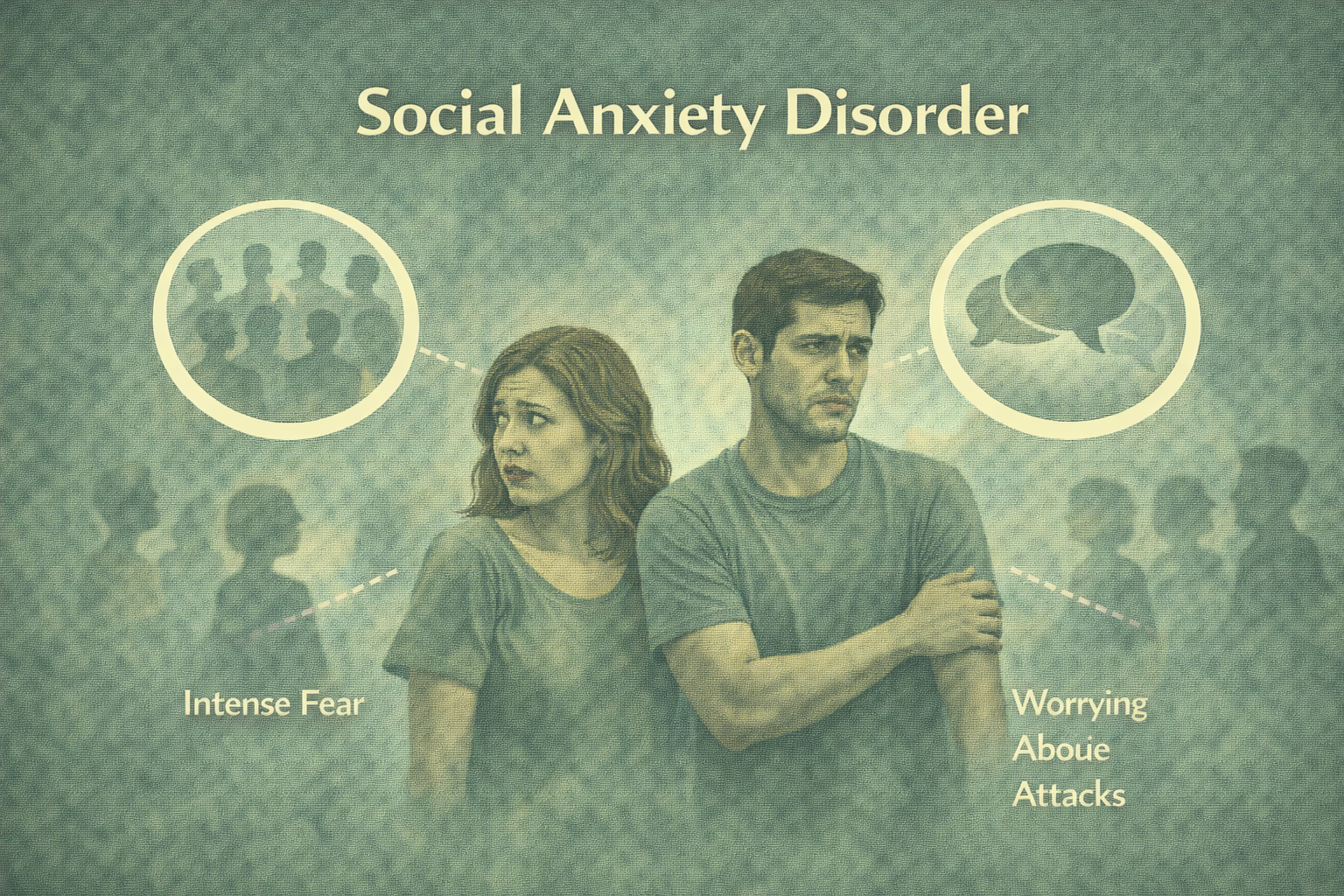
Social Anxiety Disorder, also known as social phobia, is a mental health condition characterized by an intense, persistent fear of being judged, embarrassed, or scrutinized in social or performance situations. This fear goes beyond typical nervousness and can significantly interfere with daily activities, relationships, and career goals. Understanding Social Anxiety Disorder is crucial because early recognition can lead to effective interventions, helping you reclaim confidence in social settings.
Symptoms of Social Anxiety Disorder
Physical signs like blushing, sweating, trembling, or rapid heartbeat often accompany Social Anxiety Disorder. These reactions stem from the body’s fight-or-flight response, triggered even in non-threatening situations like meeting new people. Emotionally, you might experience overwhelming fears of embarrassment or judgment, making interactions feel like high-stakes events. Behaviorally, this leads to avoidance of social interactions, such as skipping parties or declining invitations, which can reinforce the cycle of anxiety.
Research suggests these symptoms arise from heightened activity in brain areas like the amygdala, which processes fear. If you’re noticing these patterns, know that they’re common and treatable.
Signs of Social Anxiety in Adults
In adults, signs include difficulty making eye contact or speaking in groups, which can make professional meetings challenging. You might feel self-conscious in everyday situations like eating in public or using public restrooms. Persistent worry about social performance, such as replaying conversations for flaws, is another key indicator. These signs often start in adolescence but can persist or worsen without intervention.
Social Anxiety vs Shyness Differences
Shyness involves mild discomfort in social settings, often resolving with familiarity. In contrast, Social Anxiety Disorder impairs daily life with intense fear and avoidance behaviors. While a shy person might warm up over time, someone with Social Anxiety Disorder may skip events altogether to escape distress. Recognizing this difference is key—shyness doesn’t typically require treatment, but Social Anxiety Disorder benefits from professional support.
Research Shows:
A meta-analysis indicates that genetic and non-shared environmental factors explain most individual differences in Social Anxiety Disorder, with heritability estimates between 27% and 56%.
Why Does Social Anxiety Disorder Matter?
Social Anxiety Disorder isn’t just about feeling nervous—it’s a condition that can profoundly affect your overall well-being. Addressing it matters because untreated anxiety can lead to broader mental health issues and reduced life satisfaction. This section explores its impacts, highlighting why seeking help is a step toward a fuller life.
Impact on Daily Life and Relationships
It often leads to isolation and loneliness, as avoiding social events means missing out on connections. This can affect personal relationships and family dynamics, creating distance from loved ones. Over time, these patterns may strain bonds, leaving you feeling more alone.
Effects on Career and Education
Social Anxiety Disorder hinders job performance, networking, and promotions by making interactions like interviews or presentations daunting. It increases the risk of underachievement, as opportunities for advancement are avoided. In education, group work or public speaking can become barriers to success.
For more on this, see our Managing Anxiety at Work Guide.
Long-Term Health Consequences
Without intervention, it raises rates of depression and substance misuse. Reduced quality of life is common, with ongoing stress potentially contributing to physical health issues like high blood pressure. Early management can prevent these escalations.
What Causes Social Anxiety Disorder?
The causes of Social Anxiety Disorder involve a mix of genetic, biological, and environmental factors. No single cause explains it fully, but understanding these elements can help demystify the condition and guide treatment. Research points to a complex interplay that shapes how anxiety develops.
Genetic and Biological Factors
Family history increases risk, as anxiety disorders often run in families. Brain chemistry imbalances, particularly in serotonin levels, play a role in regulating mood and fear responses. An overactive amygdala may heighten sensitivity to social threats.
Environmental and Psychological Triggers
Past bullying or negative social experiences can trigger Social Anxiety Disorder. Overprotective parenting styles may limit opportunities to build social confidence. Traumatic events, like public humiliation, can also contribute.
Co-Occurring Conditions
It often links to other anxiety disorders or depression, exacerbating symptoms. These overlaps suggest shared underlying vulnerabilities.
Expert Insight:
As experts from the APA note, early intervention can prevent co-morbidities by addressing root causes like genetic predispositions and environmental triggers.
How Is Social Anxiety Disorder Diagnosed?
Diagnosis involves a thorough evaluation to distinguish it from everyday anxiety. It’s not just self-diagnosis—professional input ensures accuracy. Knowing the process can encourage you to seek help if symptoms persist.
Social Anxiety Disorder Test Online
Self-assessment tools like the Liebowitz Social Anxiety Scale provide preliminary insights. However, they’re not a substitute for professional diagnosis. Use them as a starting point to gauge your experiences.
For related tools, check our Mental Health Screening Tools.
Professional Evaluation Steps
A clinical interview uses DSM-5 criteria to assess symptoms. Ruling out other conditions, like medical issues or different anxiety types, is essential.
When to Seek Help
If symptoms persist for 6+ months and impair functioning, consult a professional. Early help can improve outcomes significantly.
Important:
Online tests are helpful but not diagnostic—always speak with a healthcare provider for personalized advice.
For a broader foundation, see our guide on Signs of Mental Health Issues: Complete Guide to Anxiety Disorders
Treatment for Social Anxiety Disorder
Effective treatments for Social Anxiety Disorder include therapy, medication, and combinations. Research supports these approaches, with many people seeing significant improvement. Choosing the right one depends on your needs—consult a professional to tailor a plan.
Cognitive Therapy for Social Anxiety
CBT techniques challenge negative thoughts, helping reframe fears. Exposure therapy involves gradual facing of fears in safe ways, building tolerance. Studies show CBT reduces symptoms in 60-80% of cases.
Meta-analyses confirm large effect sizes, with gains maintained long-term. Many find relief through structured sessions.
A popular option is online platforms like BetterHelp, which connect you with licensed therapists for convenient CBT sessions.
Medication for Social Anxiety Disorder
SSRIs like sertraline or paroxetine help balance brain chemicals, reducing anxiety. Beta-blockers manage performance anxiety by controlling physical symptoms. Research indicates SSRIs are significantly more effective than placebo, with effect sizes up to 2.2.
Always start under medical supervision, as they may take weeks to work.
Combination Approaches
Therapy plus medication often yields optimal results, addressing both thoughts and biology. Studies show combined treatments enhance efficacy.
How to Overcome Social Anxiety
Overcoming Social Anxiety requires practical steps and persistence. This guide offers strategies to build confidence gradually. With consistency, many see lasting changes.
Exercises to Reduce Social Anxiety
Breathing techniques, like 4-7-8 breathing, calm the nervous system. Progressive muscle relaxation eases tension. Role-playing social scenarios prepares you for real interactions.
Coping Strategies for Social Anxiety
Build a gradual exposure ladder, starting small—like smiling at a stranger. Positive self-talk replaces negative thoughts. Practice these daily for best results.
Natural Remedies for Social Anxiety
Mindfulness meditation and herbal supplements like lemon balm may help, but with caution—evidence is limited. Research suggests omega-3s and vitamin D support mood, but consult a doctor before use.
Pro Tip:
Incorporate mindfulness apps for daily practice; studies show they can reduce anxiety symptoms as effectively as some medications in mild cases.
For a broader foundation, see our guide on Signs of Mental Health Issues: Panic Disorder Overview
Best Practices for Managing Social Anxiety Disorder
Managing Social Anxiety Disorder involves daily habits and support systems. These tips can integrate into your routine for sustained progress.
Managing Social Anxiety at Work
Prepare for meetings by rehearsing key points and building small talk skills. Seek supportive colleagues for practice. Gradual exposure helps desensitize fears.
Social Anxiety Support Groups Online
Join forums like ADAA communities to share experiences anonymously. These provide validation and tips from others.
Books on Overcoming Social Anxiety
Recommendations like “The Shyness and Social Anxiety Workbook” offer practical exercises. Many find them empowering.
A great resource is available on Amazon, where you can explore user-reviewed options for self-help.
Scientific Evidence & Research
Research underscores the treatability of Social Anxiety Disorder. This section reviews key studies, offering evidence-based insights.
Clinical Studies
NIMH data shows CBT reduces symptoms in 60-75% of cases. Studies on SSRIs like paroxetine show significant improvement over placebo, with large effect sizes.
Expert Opinions
APA experts emphasize early intervention to prevent co-morbidities. Exposure therapy is the gold standard per reviews.
Statistical Data
Lifetime prevalence is 12.1% in U.S. adults, higher in females (8.0% vs. 6.1% males).
For more, visit NIMH on Social Anxiety Disorder, APA resources, and JAMA Psychiatry studies.
Common Mistakes to Avoid
Avoiding pitfalls can accelerate your progress in managing Social Anxiety Disorder. Here are key errors and better alternatives.
Mistake #1: Avoiding Social Situations Entirely
Why it’s problematic: It reinforces fear and increases isolation. Better approach: Use gradual exposure to build confidence slowly.
Mistake #2: Using Alcohol or Substances to Cope
Why it’s problematic: It worsens anxiety long-term and risks dependency. Better approach: Learn healthy relaxation techniques like deep breathing.
Mistake #3: Ignoring Professional Help
Why it’s problematic: It delays recovery and allows symptoms to worsen. Better approach: Seek therapy early for evidence-based support.
Frequently Asked Questions (FAQs)
What Are the Symptoms of Social Anxiety Disorder?
Social Anxiety Disorder involves intense fear of social situations, leading to physical symptoms like sweating, trembling, and rapid heartbeat, plus avoidance behaviors. It affects daily life, unlike mild shyness, and often starts in adolescence. Early recognition can lead to effective treatment through therapy or medication. If these interfere with work or relationships, consult a professional.
What Causes Social Anxiety Disorder?
Causes include genetic factors, brain chemistry imbalances, and environmental triggers like past trauma or bullying. It’s not just personality—co-occurring conditions like depression can exacerbate it. Understanding these helps in tailoring treatments like CBT. Research suggests a heritable component, but environment plays a key role.
How to Overcome Social Anxiety?
Overcome it through gradual exposure, challenging negative thoughts via CBT, and lifestyle changes like exercise and mindfulness. Support groups and professional therapy provide structure. Consistency is key for long-term improvement. Start small and track progress to build momentum.
Is There a Social Anxiety Disorder Test Online?
Yes, tools like the Liebowitz Scale offer preliminary insights, but they’re not diagnostic. Consult a professional for accurate assessment using DSM-5 criteria to rule out other issues. These tests can help you decide when to seek help.
What Is the Difference Between Social Anxiety and Shyness?
Shyness is temporary discomfort; Social Anxiety Disorder is persistent fear causing significant life impairment. SAD requires intervention, while shyness may not. If it affects daily functioning, it’s likely more than shyness.
What Treatments Are Available for Social Anxiety Disorder?
Treatments include CBT as the gold standard, medications like SSRIs, and emerging options like MDMA-assisted therapy in trials. Combining approaches often yields the best results. Evidence shows high efficacy rates, but personalize with a doctor.
Conclusion
Mastering Social Anxiety Disorder empowers you to build connections, advance in your career, and enjoy life without constant fear. Evidence-based strategies like CBT and coping techniques can transform your social experiences, reducing isolation and boosting confidence. You’ve learned tools that many use successfully—now it’s about taking that first step.
Schedule a consultation with a mental health professional today. Seek help now—don’t let anxiety hold you back. With the right tools, recovery is achievable; you’re not alone.
Medical Disclaimer:
This article is for informational purposes only and is not a substitute for professional medical advice, diagnosis, or treatment. Always seek the advice of your physician or qualified health provider. If you’re experiencing a mental health crisis, call the 988 Suicide & Crisis Lifeline or visit your nearest emergency room. For non-emergency support, contact the SAMHSA National Helpline at 1-800-662-4357. The content is based on current research and expert consensus as of 2026, but medical knowledge evolves. Always verify with your healthcare provider.